A Practical Guide to Choosing Wool-Based Toppers: What Sleepers Should Know
An editorial exploration of wool toppers, their materials, care, and how to select the right one for diverse sleep needs. Drawing on established constructions, real-world care considerations, and a framework for decision-making, this guide invites readers to approach wool toppers with the curiosity of a field naturalist and the rigor of a textiles scholar.
Understanding the Natural Advantage of Wool Toppers
Wool has long stood as a material of warmth, resilience, and breathability. When applied as a topper—the layer that sits atop a mattress—a wool fill works in concert with an outer fabric to create a sleep surface that regulates temperature, manages moisture, and cushions pressure points. The inherent properties of wool—its crimp, loft retention, and natural moisture-wicking—translate into a topper that can adapt across seasons and climates. Unlike synthetic foams or blends, wool’s performance emerges from fiber relationships: the interlocking crimp traps air, while the fiber’s surface draws moisture away from the body, helping to maintain a balanced sleep climate.
Choosing the right wool topper begins with recognizing two broad construction philosophies that dominate the market: quilted toppers with an outer shell of organic cotton or other natural fabrics, and wool-filled toppers that employ blended yarns or lighter constructions to achieve different lofts and feels. Each approach has implications for loft maintenance, heat transfer, and long-term durability. A quilted topper tends to emphasize a uniform surface with stitched sections that keep the wool in place, while a wool-filled topper can offer different levels of conforming support depending on the blend and thickness of the fill.
Construction Comparisons: Loft, Pressure Relief, and Heat Transfer
Idea 1 centers on two common topper constructions and how they influence daily comfort:
- Quilted wool toppers with an organic cotton shell: These toppers are typically stitched to create discrete panels that hold the wool in place, preserving loft and preventing shifting. The result is a stable, even surface with predictable performance. The cotton shell offers a breathable, natural pairing that complements wool’s own moisture-wicking qualities. Care requirements tend toward spot-cleaning and occasional sun-refreshing rather than frequent machine washing, preserving loft over time.
- Wool-filled toppers with blended yarns: In toppers where the wool is used in combination with blended fibers, the surface feel can vary from plush to moderately resilient, depending on the blend’s proportion and the topper’s thickness. These toppers may allow slightly more compression under sustained weight, but can also offer enhanced pressure relief for sleepers who prefer a softer initial feel. Care needs can be more diverse, with some blends supporting careful spot cleaning and others allowing limited machine washing in cold water.
In practical terms, loft retention is a measure of how well a topper bounces back after weight is applied. A well-constructed quilted topper keeps its panels evenly lofted, reducing the risk of compression lines or “valleys” that can undermine support. A wool-filled topper with a blended blend relies more on the wool’s natural resilience and the outer fabric’s stretch to maintain surface feel. For sleepers, the difference translates into how quickly a topper returns to its initial height after rolling over, and how evenly it distributes pressure along the spine, hips, and shoulders.
When evaluating heat transfer, wool excels in moisture management, but the topper’s design matters. A thermal balance is achieved when the outer fabric breathes freely and the wool’s natural properties can wick away dampness without trapping heat. An organic cotton shell can foster a cool-to-warm transition across a night, supporting a body-temperature balance rather than an artificial cooling or warming effect. The right choice depends on seasonal needs and individual comfort preferences—whether a sleeper runs hot or cold, and how the bed itself interacts with room temperature.
Care and Longevity: Keeping Wool Loft Healthy
Idea 2 shifts focus to how care practices extend the life of a wool topper and maintain its loft. Wool naturally resists odor and maintains temperature regulation when cared for with simple routines that respect its fiber’s integrity.
- Spot cleaning and sun refresh: Regular spot cleaning to address spills and routine sun exposure can refresh wool’s loft and remove surface odors. This practice helps maintain breathability and prevents compacting of the wool strands.
- Machine washing considerations: Some toppers allow machine washing, especially those with lighter wool fills or crib toppers designed for easier laundering. When machine washing is appropriate, use cold water, a gentle cycle, and minimal agitation to avoid felting. Follow the manufacturer’s care guidelines to preserve stitching and fiber integrity.
- Avoiding agitation and over-washing: Wool’s natural lanolin content and fiber structure can degrade if subjected to frequent, aggressive cleaning. A measured approach—address spills promptly, and only launder when necessary—helps preserve loft and structural stability over time.
Beyond routine care, it is prudent to consider placement and usage patterns. A topper that sits atop a well-fitted mattress should be kept flat and evenly supported by the bed, while avoiding folding or bundling at the corners. A topper with corner anchors or elastic straps benefits from being anchored securely to prevent shifting during the night, preserving even loft and contact with the sleeper’s body.
Careful Sizing, Seasonality, and Sleep Style Alignment
Idea 3 introduces a quick decision framework that assists shoppers in selecting size and thickness. The framework considers how a sleeper’s temperature preferences, allergy considerations, and bed uniformity shape the most suitable wool topper choice.
- Assess sleeping temperature: If you tend to sleep hot, seek toppers with lighter wool fills and highly breathable shells that promote air circulation. If you run cool, a deeper loft or additional layering can provide the desired warmth without overheating.
- Consider allergy and sensitivity: Wool is naturally hypoallergenic in several respects and offers a moisture-managing sleep surface. For households with chemical sensitivities, prioritize toppers with GOTS-certified organic cotton shells and wool batting sourced from responsible suppliers.
- Bed uniformity and sheet fit: If your bed uses a fitted sheet with limited slack, a topper with corner elastic straps or a secure edge-to-edge construction reduces shifting. For beds with generous sheet slack, a topper without heavy anchoring can still maintain a smooth top surface if properly positioned.
Finally, translate this framework into practical choices about thickness. A 1-inch to 2-inch topper often provides a balance between immediate comfort and long-term loft retention, while deeper toppers (3 inches or more) can deliver pronounced pressure relief for side sleepers or those seeking a more plush experience. The decision rests on personal comfort, bed architecture, and how the topper integrates with existing mattresses and bedding layers.
A Note on Materials, Sourcing, and Ethical Considerations
Wool toppers are not merely comfort accessories; they are part of a broader conversation about sustainability, animal welfare, and textile ethics. Responsible sourcing—whether through GOTS (Global Organic Textile Standard) for organic cotton and wool or through carefully vetted co-ops—ensures that the materials in a topper meet stringent environmental and social criteria. For readers who value transparency, this means asking questions about fiber origin, processing methods, and certifications that attest to ethical practices. The inherently natural aspects of wool and organic cotton align with a broader ethos of stewardship for the land and the animals that contribute to these fibers.
In a landscape where efficiency and convenience often drive purchases, a wool topper invites a slower, more contemplative approach. It asks sleepers to consider how their nightly comfort is shaped not only by the immediate feel of the surface but by the entire chain of materials that deliver it—from the sheep’s grazing pasture to the factory that spins, knots, and quilts the fabric. This perspective aligns with a broader human-scale appreciation for natural materials and enduring craftsmanship.
Practical Buying Guide: Quick Reference for Shoppers
To translate the theory into actionable steps, here is a concise buying guide that mirrors the ideas explored above. This framework helps shoppers compare toppers, understand material implications, and choose with confidence.
- Define your sleep environment: What is your typical room temperature? Do you prefer a cooler or warmer surface? Your climate and bedroom conditions will guide towel-throw decisions and loft preferences.
- Evaluate the topper’s construction: Do you prefer a quilted topper with an outer shell that keeps wool in place, or a topper with a blended wool fill that may yield a different feel and care pattern?
- Consider care tolerance: Are you willing to launder occasionally, or do you prefer spot-cleaning routines and sun-refresh methods to maintain loft?
- Check certifications and ethics: Prioritize toppers with organic certifications, durability in design, and transparency in wool sourcing. This supports sustainable practices and consistent performance over time.
- Align with bed system: Ensure the topper’s thickness and dimensions are compatible with your mattress and fitted sheet setup. If necessary, look for toppers designed to anchor securely at the corners or edges of the bed.
Ultimately, the best wool topper is the one that harmonizes with your sleep preferences, bed geometry, and the care you are prepared to invest in maintaining a natural sleep surface. The goal is to create a sleep experience that feels rooted in the land’s generosity—breathable, temperature-regulated, and enduringly comfortable.
Product Spotlight: Real-World Wool Topper Options
In the contemporary marketplace, several toppers embody the principles described above. Among them, select products adhere to organic materials, transparent sourcing, and practical care requirements that resonate with the ethos of a wool-focused sleep strategy.
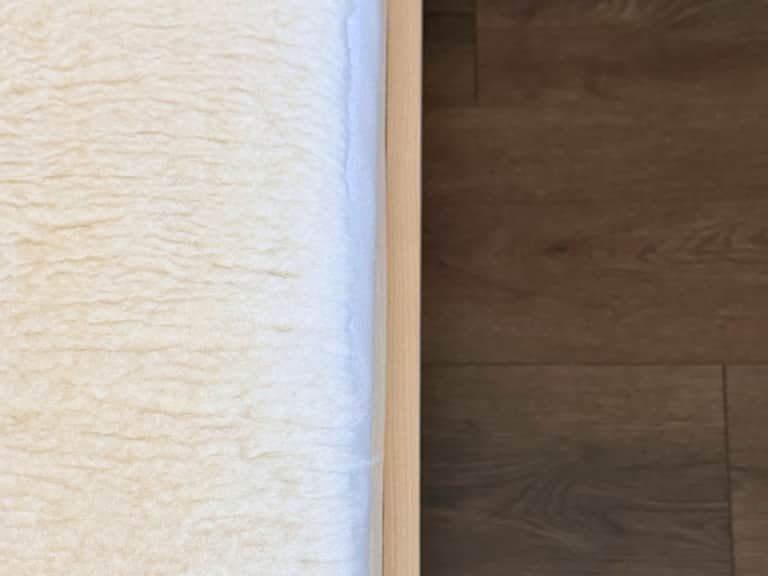
One example of a wool topper that aligns with these values features a soft, breathable fleece profile that combines Premium Eco Wool with an organic cotton backing. This construction delivers a warm, natural sleep surface while maintaining a straightforward care routine designed to preserve loft and comfort. The topper’s depth sits around the range of one inch, balancing immediate comfort with durability over time. The materials originate from regions that emphasize organic integrity, with wool sourced from responsible co-ops and the fabric milled in facilities certified for organic processing.
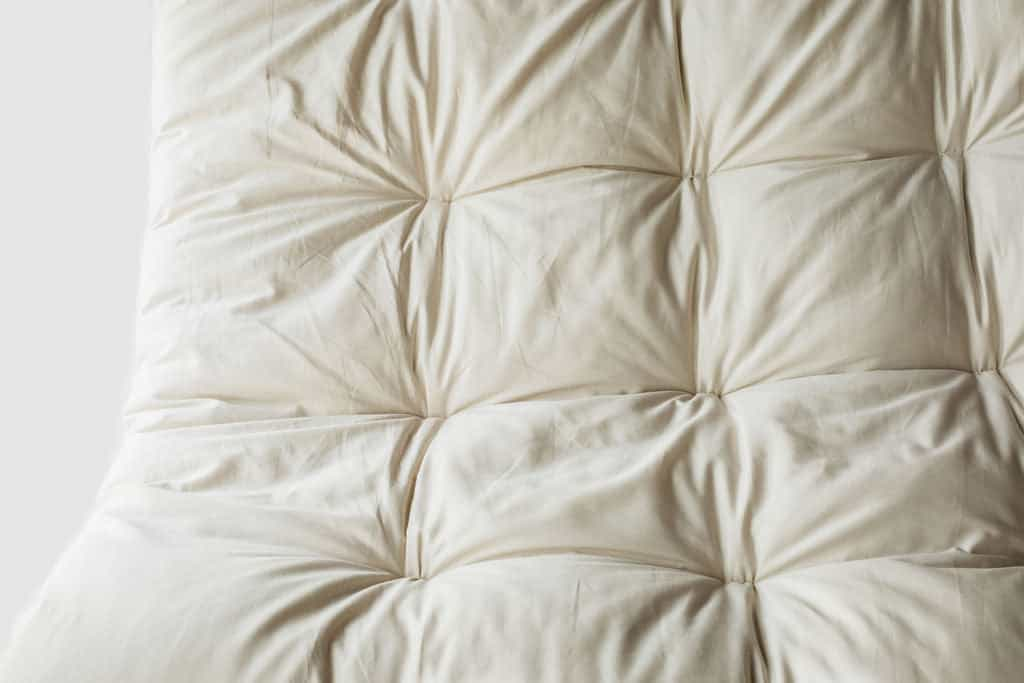
Another option emphasizes a quilted topper approach using 100% organic cotton fabric and premium wool fill. The quilted panels help keep loft evenly distributed and prevent wool from shifting, ensuring a stable sleep experience night after night. This design is well-suited for sleepers who value a consistent, even surface and straightforward maintenance, including spot cleaning and periodic sun-refreshing as part of a sustainable care routine.
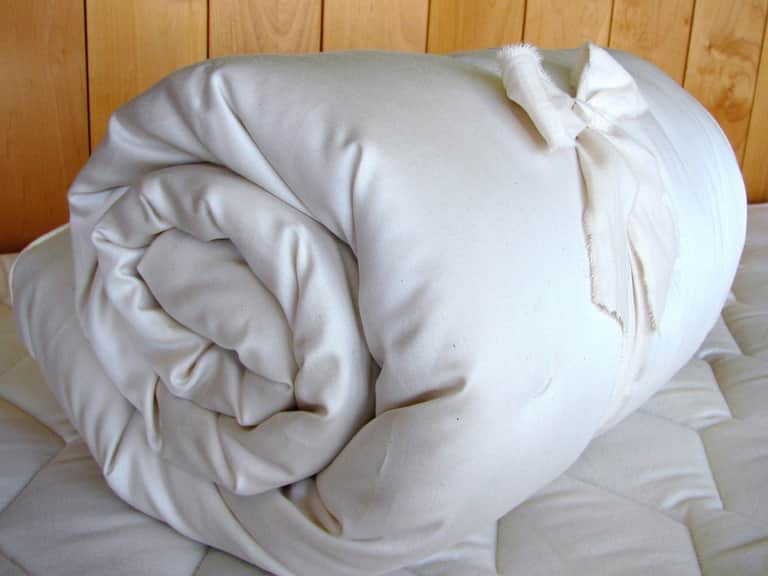
For households seeking a crib-ready or child-friendly solution, toppers built with GOTS-certified wool batting and GOTS-certified organic cotton sateen shells provide an optimal balance of safety, comfort, and practicality. Edge-to-edge fit with corner elastic straps helps maintain a flat top surface, while hand-tufting reduces wool migration, keeping the surface uniform across time and use. Such toppers cater to growing sleepers and family sleep spaces, where safety and longevity are paramount.
A Note on Availability and Brand Ecology
In the current market landscape, wool toppers are offered by multiple brands that emphasize natural materials and ethical sourcing. The practical takeaway for readers is to verify certifications, read care guides, and compare loft retention under typical usage scenarios. When a topper aligns with organic standards, presents clear care instructions, and demonstrates long-lasting loft under real-world usage, it stands as a meaningful addition to a sleep ecosystem built around wool’s natural benefits.
As with any textile investment, it is prudent to examine warranty terms, return policies, and the availability of replacement parts or surface coverings. A topper with robust construction and transparent information about fiber origin tends to provide a more trustworthy long-term sleep surface than one that emphasizes short-term novelty over durability.
Closing Thoughts: The Wool Topper as a Sleep Ethic
Wool toppers invite a slower rhythm of shopping—one that respects the season, the sleeper, and the land from which the fibers come. They are not merely padding; they are a credo of natural comfort, climate-aware design, and enduring textiles. In a world of myriad sleep products, the wool topper stands out as a reminder that the most intimate comforts often grow from patient craft, responsible stewardship, and a deep listening to the body’s signals through the night.
For readers curious about further exploration, consider creating a personal care plan: a seasonal topper check-in, a simple care schedule, and a small catalogue of known-good fabrics that suit your bed’s particular geometry. The result is a sleep environment that feels less like a product and more like a habitat—one that sustains warmth, breathability, and timeless comfort through the years.
Related Resources and Practical Guides
Explore deeper into the wool ecosystem with companion guides on wool properties, sustainable sourcing, and care checklists. A holistic approach to wool bedding integrates care routines with knowledge about fiber science, affording readers a richer, more confident understanding of their sleep environment.